Smart Factory Technology Transforming Modern Chemical Plants
Explore how smart factory technologies — digital twins, predictive analytics, and connected manufacturing systems — are setting new standards for chemical plant efficiency, safety, and product quality.
Vasudev Chemo Pharma
M.Tech Industrial Automation, 12+ years in chemical plant operations
What Is a Smart Chemical Factory?
A smart chemical factory integrates advanced sensors, artificial intelligence, cloud computing, and the Industrial Internet of Things (IIoT) to create a fully connected, intelligent production environment. Unlike traditional plants where operations are monitored by periodic manual checks, smart factories generate and analyse millions of data points per hour, enabling real-time visibility into every aspect of production — from raw material intake to finished product packaging. This level of operational intelligence allows plant managers to identify inefficiencies, predict problems, and make data-driven decisions that optimise performance continuously.
- Real-time production monitoring with IoT sensor networks
- Digital twin simulation for risk-free process optimisation
- Predictive maintenance reducing downtime by 20–30%
- Adaptive production scheduling with demand forecasting
Digital Twin Technology for Chemical Processes
Digital twins — virtual replicas of physical chemical processes — represent one of the most powerful tools in the smart factory arsenal. By mirroring a real reactor, distillation column, or entire production line in software, engineers can simulate process changes, test new formulations, and predict equipment behaviour without risking actual production. For manufacturers producing complex products like MMA Triazine 40% or Di Ethyl Amino Ethyl Chloride Hydrochloride (DEAE-CI HCl), digital twins enable virtual experimentation that accelerates product development, reduces scale-up risks, and optimises existing processes. Leading chemical companies report 10–20% improvements in production efficiency after deploying digital twin technology.
Predictive Analytics and Machine Learning
Predictive analytics uses machine learning algorithms trained on historical production data to forecast future outcomes — product quality, equipment failures, energy consumption, and supply chain disruptions. In a smart chemical factory, these predictions enable proactive decision-making rather than reactive firefighting. Predictive quality models can flag potential out-of-specification batches before they are completed, allowing operators to adjust parameters in real-time. Predictive energy models optimise utility consumption based on production schedules and electricity pricing. Predictive demand models align production planning with customer order patterns, reducing both overproduction waste and stockout risks.
Connected Manufacturing and Edge Computing
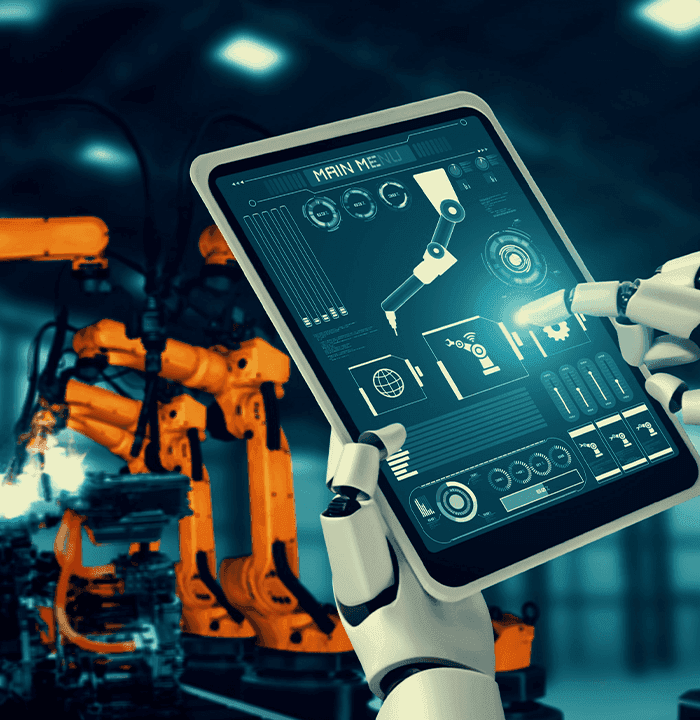
Smart factories rely on a network of connected devices — sensors, actuators, PLCs, and smart instruments — that communicate through industrial Ethernet and wireless protocols. Edge computing processes critical data at the device level, enabling millisecond-speed responses for safety and control applications without relying on cloud connectivity. This architecture is essential for chemical plants where latency in safety systems is unacceptable. Cloud computing handles higher-level analytics, reporting, and long-term data storage. The combination of edge and cloud computing creates a resilient, scalable infrastructure that supports both real-time control and strategic business intelligence.
Building the Business Case for Smart Manufacturing
Implementing smart factory technology requires significant investment in sensors, networking infrastructure, software platforms, and workforce training. However, the return on investment is compelling and well-documented. According to Deloitte, smart manufacturing initiatives deliver average improvements of 10–12% in manufacturing output, 10–20% reduction in quality-related costs, 20–30% reduction in maintenance costs, and 10–20% reduction in energy consumption. For chemical manufacturers competing in global markets — where margins are often tight and quality specifications are demanding — these improvements can mean the difference between winning and losing export contracts.
"Smart factories are not just about technology — they are about creating a culture of continuous improvement where data-driven decisions lead to better products, more efficient processes, and safer working conditions for every team member."
Related Products & Services
As smart factory technology becomes more accessible and affordable, chemical manufacturers of all sizes can harness the power of connected, intelligent production systems. Vasudev Chemo Pharma is embracing this transition, integrating IIoT sensors, advanced analytics, and digital process monitoring across our Gujarat manufacturing facilities to deliver the quality, consistency, and reliability that our global customers demand.